

Women's Health News
Best Health and Fitness Certifications (My Favorites After 17+ Years in the Industry)
 ```html
The article discusses various health and fitness certifications that are recommended for those interested in becoming wellness professionals. After 17 years in the industry, the author shares their top choices for certifications that cater to different goals, including coaching clients, teaching classes, and deepening personal knowledge.
For those looking to work one-on-one with clients and address health imbalances, the author highlights the Integrative Health Practitioner (IHP) Institute as a top choice. This program combines Eastern and Western health practices, teaches functional lab testing interpretation, and provides practical protocols for clients. The author has personally benefitted from this certification, claiming it has profoundly impacted their ability to support others.
Additionally, the article mentions the Functional Diagnostic Nutrition Practitioner (FDNP) certification as another option, emphasizing a focus on understanding the root causes of health issues through lab analysis, even though the author does not hold this certification themselves.
The article also provides insights into nutrition coaching certifications like the Institute of Integrative Nutrition (IIN) and Precision Nutrition. IIN is noted for its flexibility in specialization, while Precision Nutrition is praised for its practical curriculum focusing on macronutrients and dietary strategies.
```Charlotte Hornets Foundation awards $100,000 to women-led organizations
The Charlotte Hornets Foundation has awarded a total of $100,000 to four women-led organizations in the Carolinas. Each organization, which includes Moms Moving Forward, Code the Dream, Charlotte Bilingual Preschool, and NAMI Charlotte, will receive a grant of $25,000. This funding aims to help these organizations increase their impact in areas such as education, mental health, workforce development, and family stability.
This grant announcement aligns with Women’s History Month and is part of the foundation's commitment to championing the next generation, creating opportunities, leading with care, and empowering communities. Whitney Tarver, the foundation’s director, expressed hope that the funding will amplify the organizations' efforts.
To celebrate their achievements, the selected organizations were recognized during a Hornets home game in March. This initiative highlights the foundation's focus on supporting community-driven projects led by women.
LifeMD Offers Novo Nordisk's Industry-First Wegovy® Telehealth Subscription Program
LifeMD, a provider of virtual primary care, has launched a new subscription program for Novo Nordisk's Wegovy® (semaglutide), which is the first of its kind in the GLP-1 therapy market. This program aims to improve patient access to obesity treatment while offering significant cost savings, potentially up to $1,200 annually for injectable forms and $600 for oral treatments.
According to LifeMD's CEO, Justin Schreiber, this subscription model represents an important step forward in the distribution of branded GLP-1 products. The collaboration with Novo Nordisk has evolved from a pharmacy integration into a comprehensive partnership that includes both Wegovy® and Ozempic® therapies.
Patients using LifeMD for Wegovy® will receive a complete care experience, which consists of virtual consultations, clinical supervision, diagnostic testing, and streamlined billing. The Wegovy® subscription is now accessible to eligible patients through LifeMD’s website, marking a new era in weight management and obesity treatment.
```The ‘3 Bs’ — including ‘booty’ — are the key to longevity, says health CEO

Living Longer and Healthier
Dr. Robin Berzin, the founder of Parsley Health, emphasizes three key health markers—referred to as the "3 Bs"—that can greatly influence longevity: brains, bones, and booty (muscle mass). She argues that instead of merely focusing on living longer, people, especially women, should prioritize living healthily and feeling good as they age.
The "3 Bs" serve as a shorthand for cognitive health, skeletal health, and maintaining muscle mass. Dr. Berzin points out that these areas are often overlooked but are crucial for staying sharp, strong, and independent as we age. She believes that while people are living longer, they often suffer from chronic diseases. Thus, living healthier is as important as the duration of life itself.
Berzin highlights that women face specific health challenges, particularly during midlife and menopause. She urges everyone, especially women, to focus on their brain health through proper metabolic management, including stable blood sugar levels and sufficient sleep. Additionally, she stresses the importance of maintaining bone health through resistance training and recommended DEXA scans for those over 35 to assess bone density.
Menopause wellness advocate hopes Manitoba clinic will support full spectrum of 'life transition'

A menopause wellness advocate from Winnipeg, Louise Neil, emphasizes the importance of a new clinic in Manitoba that is being established to support women during menopause. She highlights that menopause should be viewed as a "life transition" rather than a medical condition. The clinic, funded with $5.2 million from the provincial budget, needs to offer a wide range of support beyond just hormone replacement therapy.
Neil points out that many women, especially those in perimenopause, are unaware of their condition and lack the necessary support and education. She advocates for the clinic to provide educational resources not only for women but also for employers and healthcare practitioners. The previous closure of the Mature Women's Centre in 2017 left a gap in specialized services for women undergoing menopause, making this new initiative crucial.
The NDP Health Minister, Uzoma Asagwara, has assured that the clinic will offer comprehensive care, featuring clinical services, education, and coordinated support. However, Neil warns that one clinic may not be sufficient for the large number of women in the province experiencing menopause, and she hopes for ongoing investments in these essential services. Education and support for family doctors are also vital for early diagnosis and effective treatment of menopause symptoms.
I was told it was ‘just a bad period’ – I actually had endometriosis

A young woman named Tehyana Johnson, 22, from Norwich, has shared her difficult journey with endometriosis, a condition that causes painful symptoms as tissue similar to the womb lining grows outside the uterus. For nearly a decade, Tehyana's symptoms, which included severe pain, heavy bleeding, and nausea, were dismissed by medical professionals, with many attributing her pain to her weight or simply classifying it as "just a bad period."
Tehyana had over 250 medical consultations before finally self-diagnosing herself with endometriosis. She received an official diagnosis in July 2025 after undergoing a laparoscopy, which revealed extensive endometriosis affecting multiple organs. Although the diagnosis provided a sense of validation, she expressed frustration over the years of suffering that could have been avoided if her concerns had been taken seriously sooner.
Tehyana is now advocating for faster diagnoses for endometriosis, which affects around 176 million women worldwide. According to the charity Endometriosis UK, the average wait time for diagnosis is over eight years. Tehyana hopes to raise awareness about this often "invisible" condition to help others receive the care they need more quickly.
Sword yoga is the hot, new fitness trend turning NYC women into swashbuckling fighters — with the help of a double-edged blade
 ```html
Sword yoga is a new fitness trend gaining popularity among women in New York City. It combines elements of tai chi, kung fu, and vinyasa yoga, using a sword, particularly a traditional Chinese jian, to promote strength and confidence. Participants find this non-combative workout empowering, allowing them to express themselves and feel a sense of femininity and strength.
One practitioner, Katya Saturday, shared her personal journey with sword yoga, highlighting its role in managing her anxiety and building her self-esteem. She began training with a ladle before transitioning to a collection of swords, stating that using the sword helps her stay present and overcome negative feelings. She describes her experience as transformative, giving her a sense of power and confidence.
Despite the growing interest in sword yoga, women are still underrepresented in traditional swordsmanship and martial arts. Founder of WeaponUp, Sabina Storberg, aims to change this by offering classes that focus on grace and strength. Her approach presents female martial artists not just as tough fighters but also as graceful and powerful women, helping them feel fierce and confident in their practice.
```Utilization of palliative care services and associated factors among cancer patients in Ethiopia: A systematic review and meta-analysis
Palliative care is essential for enhancing the quality of life for cancer patients, particularly in low- and middle-income countries like Ethiopia. However, its utilization is low, resulting in untreated symptoms and diminished patient well-being. This systematic review and meta-analysis sought to estimate the rate of palliative care usage among Ethiopian cancer patients and identify factors that influence this utilization.
The study analyzed data from nine cross-sectional studies, involving a total of 2,839 cancer patients. The findings indicated that the overall palliative care utilization rate was 42%. Key factors influencing this utilization included educational attainment and gender, with higher rates observed among educated individuals and men.
Overall, the research underscores a significant gap in palliative care access in Ethiopia, reflecting broader systemic and socioeconomic issues. Recommendations for improvement include decentralizing services to rural areas, integrating palliative care into primary healthcare settings, enhancing workforce training, and raising awareness among patients and families. These steps are crucial for ensuring equitable and sustainable palliative care delivery in the country.
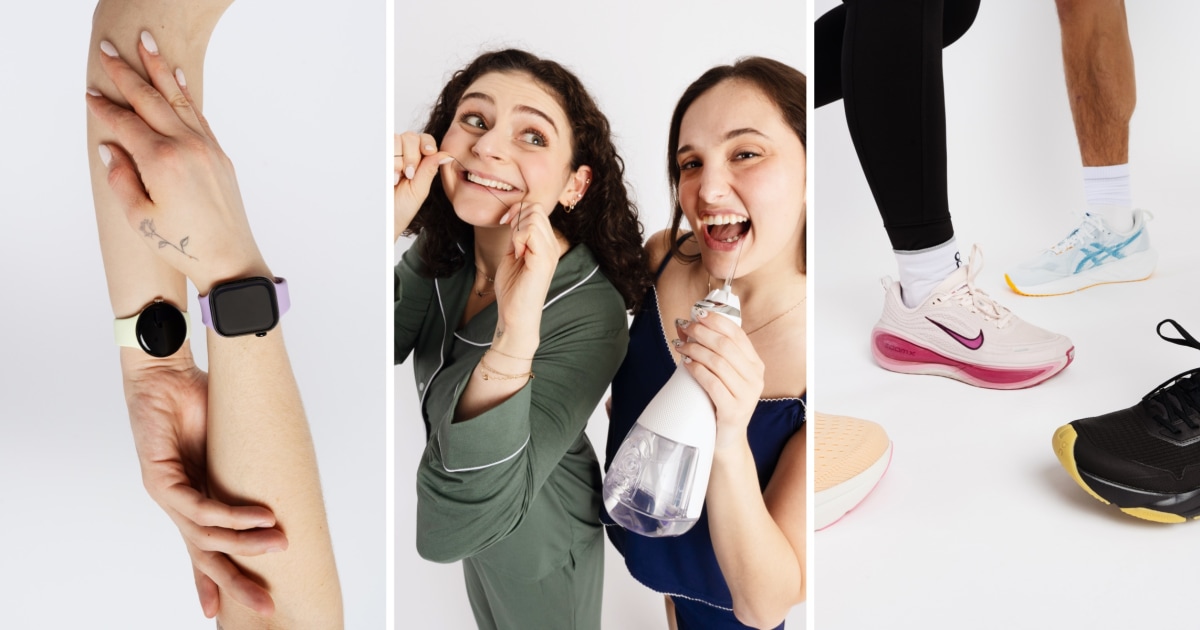
NBC Select Wellness Awards 2026: The best fitness, sleep and oral care products
Internet Explorer 11 is no longer supported, and users are encouraged to access the site using a different web browser for a better experience.
The article highlights various deals and promotions currently available, including significant discounts on Apple Watch and vacuum sales during Amazon's Big Spring Sale. Additionally, the winners of the NBC Select Wellness Awards 2026 for fitness, sleep, and oral care products are featured.
Various categories of products are listed for wellness and home, including skin care, health, fitness, and kitchen items. The article provides a comprehensive menu of different sections for easy navigation, emphasizing the selection of top stories and gift guides.
Angry all the time in your 40s? It could be ‘perimenopause rage’

As women enter their 40s, many experience a phenomenon known as "perimenopause rage," characterized by sudden and intense feelings of irritability and anger. This emotional upheaval is tied to hormonal fluctuations that occur during perimenopause, the transition leading up to menopause. It is estimated that up to 70% of women face mood challenges during this time, which can be exacerbated by factors like poor sleep and increased stress.
Perimenopause typically begins between the ages of 35 and 45, with emotional symptoms often appearing before physical ones, such as hot flashes. The unpredictability of these emotional changes can be frustrating, as women may feel fine one month and overwhelmed the next. Some women are more susceptible to these mood swings, especially those with a history of PMS or other stress-related issues.
The impact of perimenopause rage can be significant, affecting relationships at home and work. Women may feel guilty for snapping at loved ones or struggle with diminished confidence and performance. This emotional turmoil can also lead to anxiety and depression, disrupting intimacy and overall well-being. Recognizing and addressing these changes is crucial for women navigating this challenging phase of life, fostering understanding and support in their relationships.